
The Characters · Karim, the interpreter
The man who translates everything.
Forty-one, from Kabul, now in Montreal. He carries a prayer bead from Kandahar, writes letters to daughters he can’t send, and translates everything - even when no one’s speaking. This is the interpreter in the camp where the body was found.
The interpreter
Karim, who carries the words between worlds
Karim is 41, from Kabul, and now in Montreal - the interpreter, the one who stands between what is said and what is understood. He prays, then checks the news from Afghanistan quickly, before the day begins, so he can put it away. He’s learned to compartmentalize. It’s the only way to function. He drinks green tea in a small glass, the way his father made it, and closes his eyes for the first sip.
He carries a small plastic prayer bead a Canadian soldier gave him in Kandahar. The power he wishes for is to translate the future - to know what was coming, so he could prepare. He’s spent his whole life reacting.
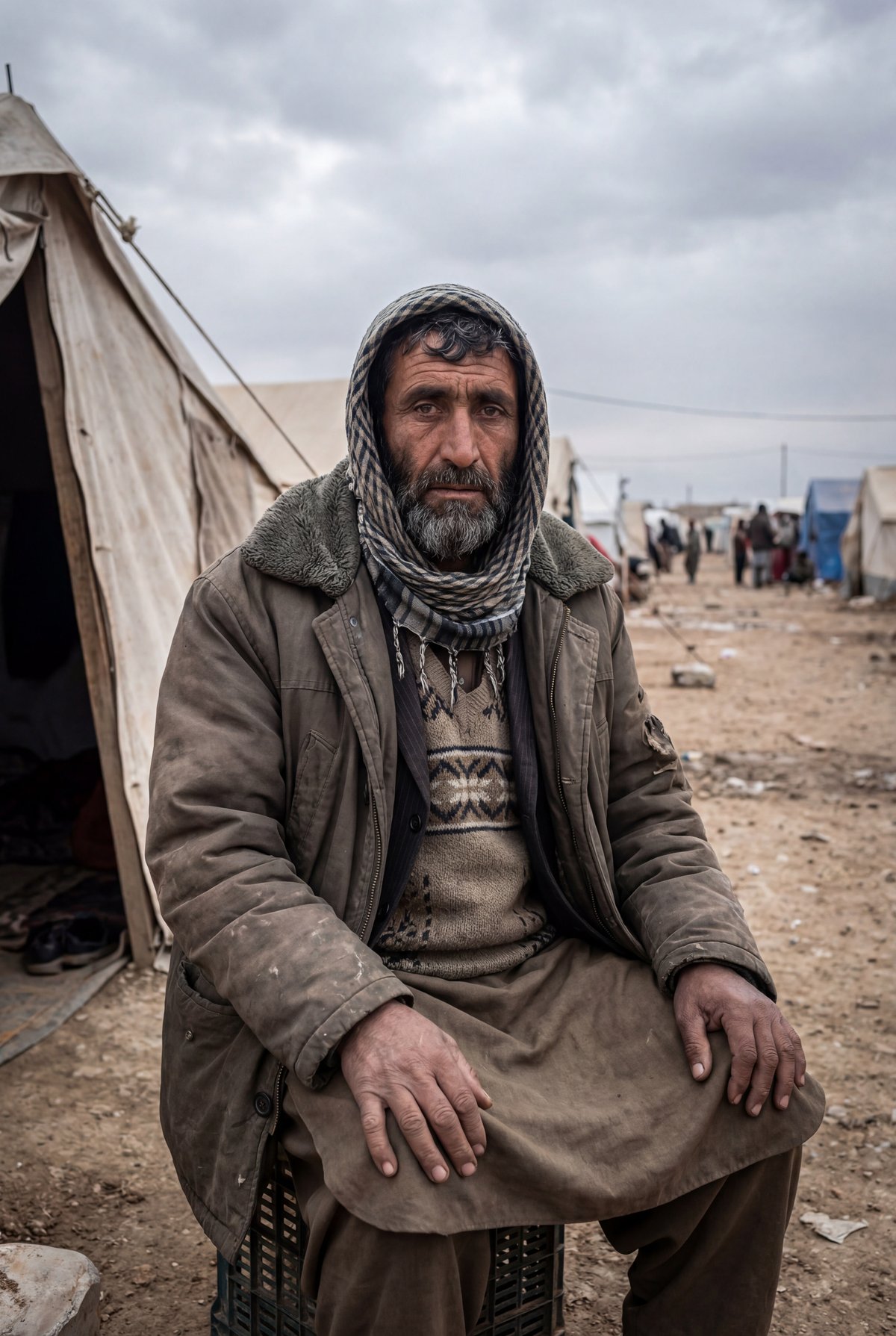
Ten things about Karim you only hear through him
The file is clean. The man isn’t. Ten small rituals that make him real - and the one he can’t turn off.
-
01
How he starts the day
He prays. Then he checks the news from Afghanistan - quickly, before the day begins, so he can put it away. He’s learned to compartmentalize. It’s the only way to function.
-
02
The one cup that keeps him going
Green tea, no sugar, in a small glass. The way his father made it. He closes his eyes for the first sip.
-
03
The meal he makes when he can
Kabuli palaw. Rice with raisins and carrots, lamb slow-cooked in spices. His wife makes it when they have enough money for meat. It’s a celebration meal. They don’t celebrate often.
-
04
What he reads when no one’s around
He reads Dari poetry, mostly Hafez. He doesn’t let himself read it often - it makes him cry. But sometimes, late at night, he opens the old book and lets the words remind him of who he was.
-
05
The power he wishes for
To translate the future. To know what was coming, so he could prepare. He’s spent his whole life reacting.
-
06
What he does when he can’t sleep
He writes letters to his daughters. They’re in Pakistan with his wife. He’ll never send them - too dangerous - but he writes anyway, filling pages with things he’ll tell them someday.
-
07
What he carries
A small plastic prayer bead, worn smooth, given to him by a Canadian soldier in Kandahar. He doesn’t know the soldier’s name. He doesn’t know why he keeps it.
-
08
The habit he can’t break
Translating everything. Conversations, songs, advertisements. His brain automatically converts English and French into Dari, even when no one’s speaking. He can’t turn it off.
-
09
The sound that calms him
The call to prayer, recorded, played from his phone. He listens to it when the camp gets too loud. It’s the sound of somewhere else.
-
10
The name he’d give a pet
Bahar. Spring. He’d name a bird that, something that could fly wherever it wanted. He’d open the cage, and it would stay.
Souvenirs
Three moments that travel with him. A family meal, a garden visit, a translation in a war zone. Things he carries from one language to another.
-
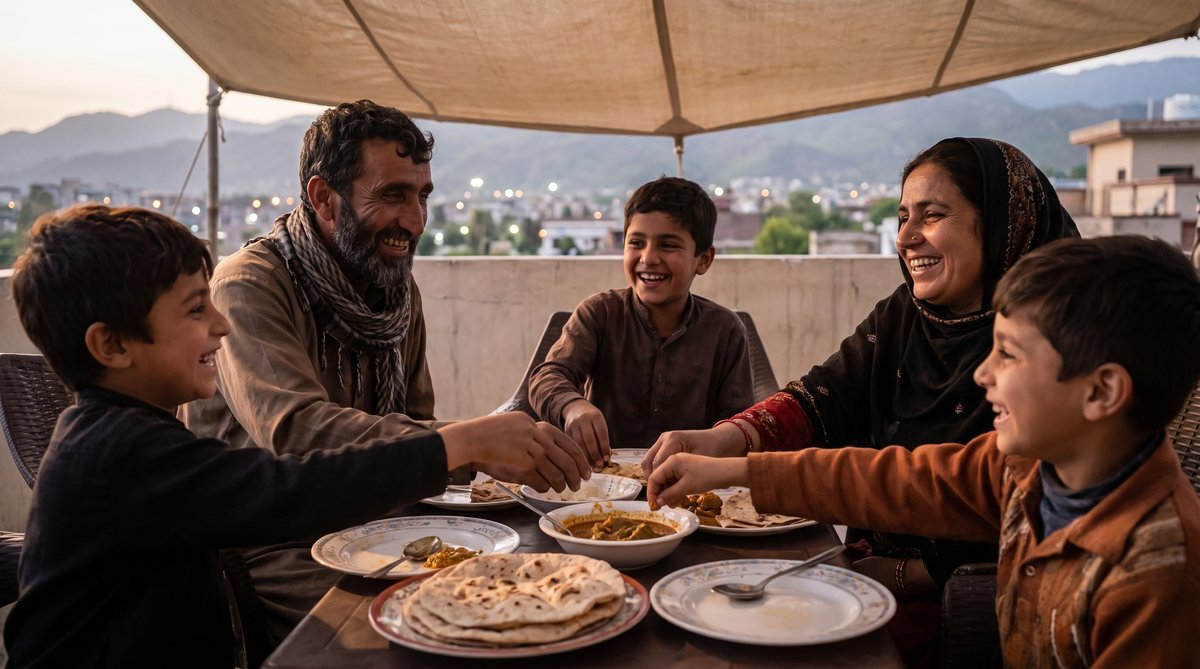
Family meal. -
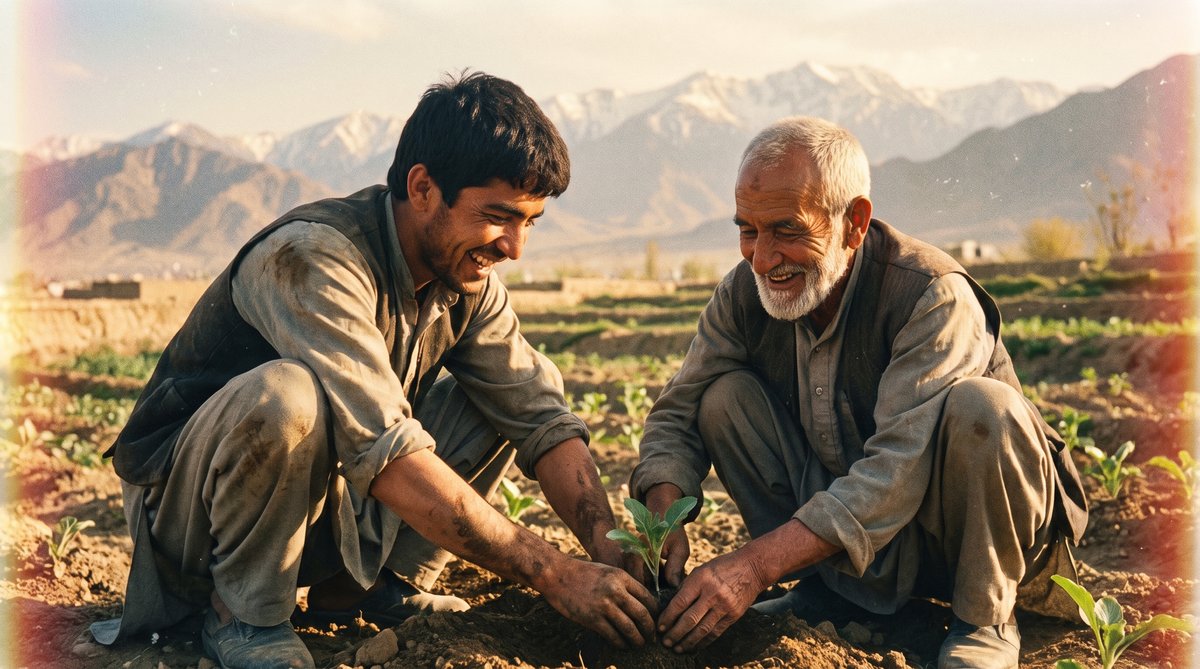
With grandfather. -
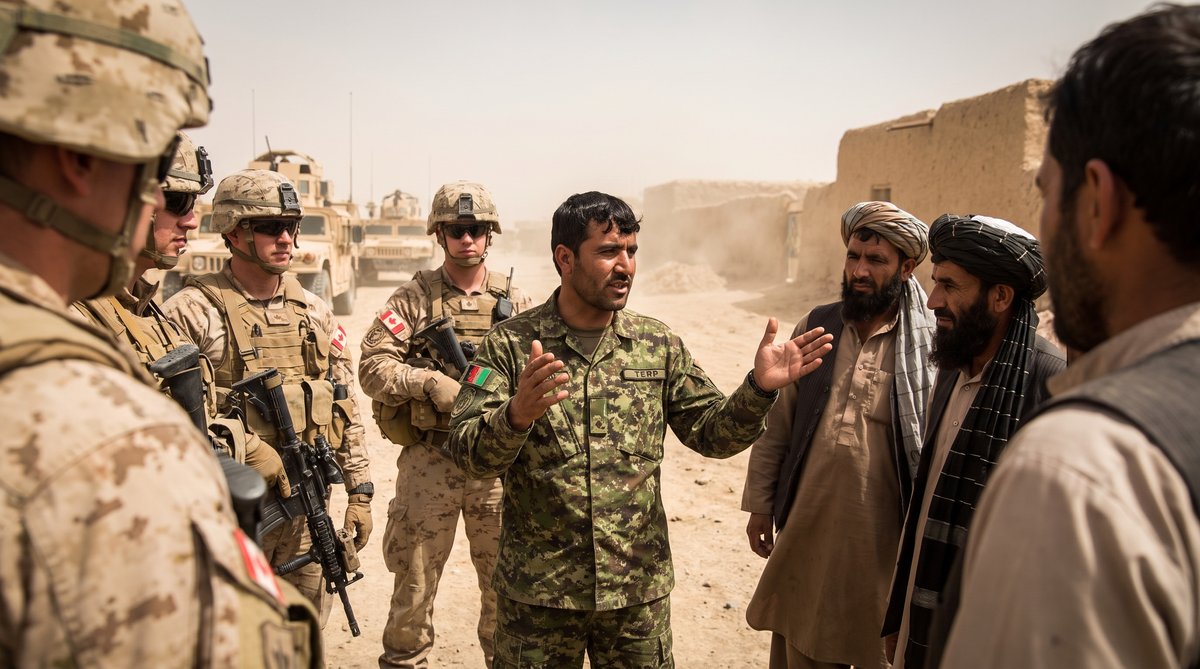
Translating for soldiers.
He translates everything. He’s spent his whole life reacting. He wishes he could translate the future.
THE CROSSING · character note
Voices from the cold
The sonic portrait of every soul in the story. Karim’s score is the one he plays on his phone when the camp gets too loud - five songs about silence, home, and the world he left.
- 01The Sound of SilenceDisturbed
- 02O Mio Babbino CaroGiacomo Puccini
- 03WatanAhmad Zahir
- 04HallelujahLeonard Cohen
- 05ImagineJohn Lennon