KAINO70 The Crossing
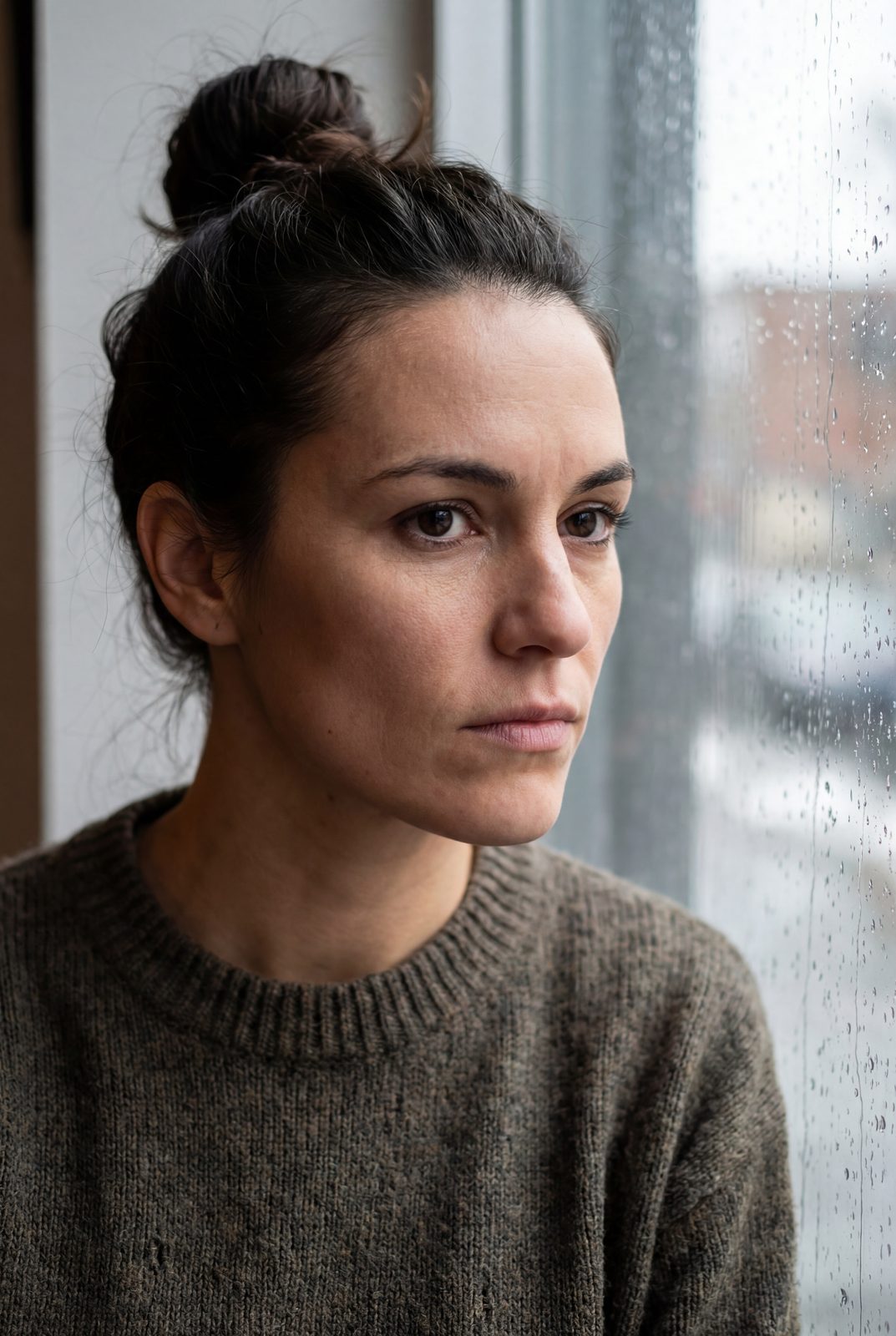
Wide eye-level view down a snow-covered Montreal residential street at dusk during heavy snowfall, brick row houses with exterior metal staircases, snow-covered parked cars, and lit streetlamps casting warm pools of light on the snow.

Behind the Technology

Directed by a person. Rendered by a pipeline.

THE CROSSING is an AI-assisted cinematic production. Every frame is generated. Every decision is authored.

  • AI Conductor · M. Benembarek
  • Generative image & motion
  • Conventional edit & grade

The role

The AI Conductor

There is no camera on this production and there is no crew on set, because there is no set. What there is instead is a single authored throughline: character design, scene order, performance intent, light, weather, sound, cut. The tools generate; the conductor decides what survives.

Every character in THE CROSSING was designed as a persistent identity before a single scene was rendered - a reference set built and re-used so that Joseph in the Sahara and Joseph in a Montreal camp are recognisably the same man across three continents and three episodes.

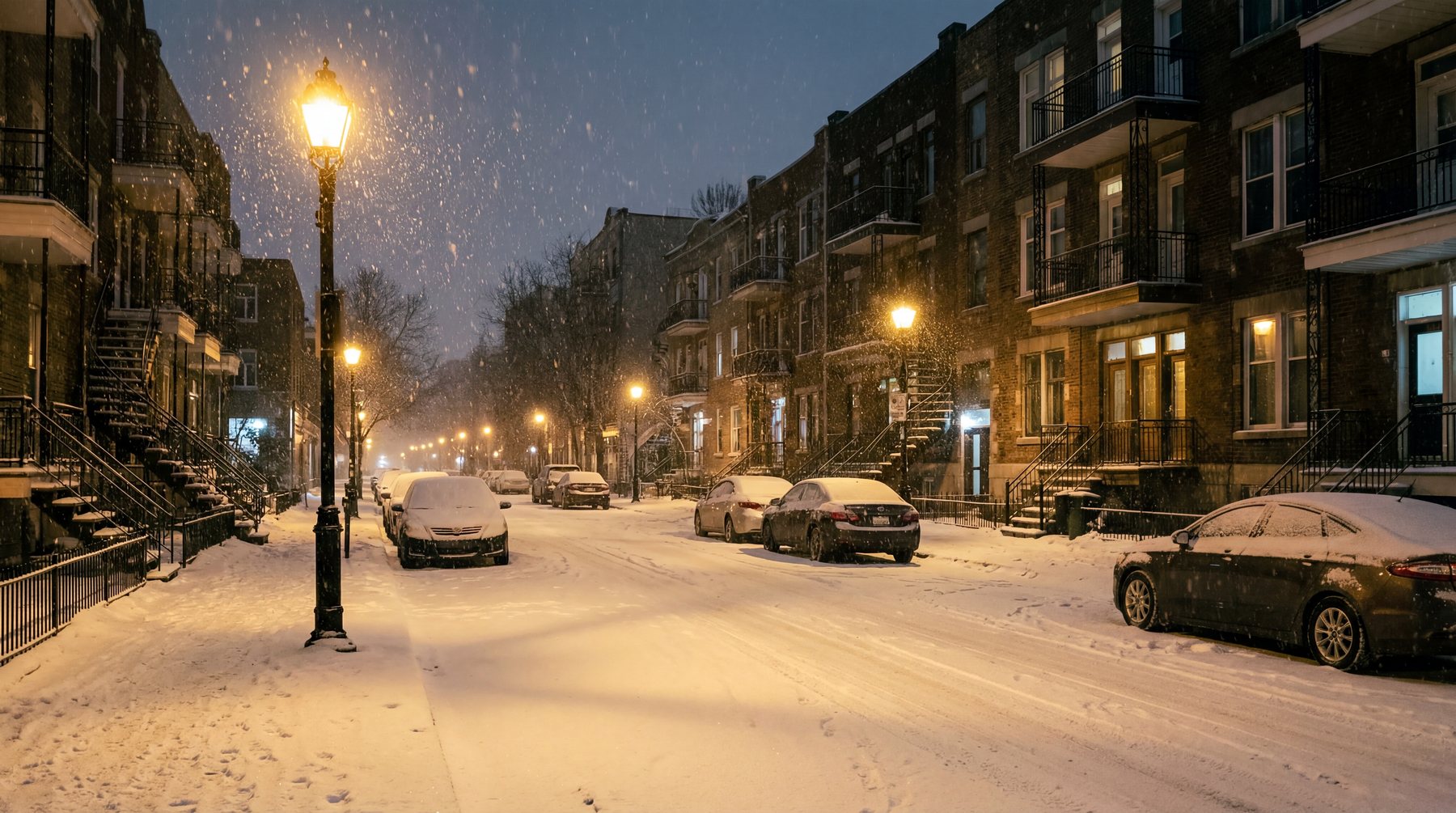
Medium close-up portrait of a woman with dark hair pulled into a bun, wearing a textured grey knit sweater, gazing out of a rain-streaked window in soft natural side light.
Sylvie · a character-consistency reference frame.

The pipeline

Five stages, in order. Each one is a human decision followed by a machine render, then a human rejection of most of what came back.

  • 01 · Script Written first, and written whole. Three episodes, structured as a thriller with a twenty-year-old secret at the centre. The story exists before any tool is opened - nothing in the plot is generated.
  • 02 · Character design Persistent identity sets. Each role - Joseph, Sylvie, and the supporting cast - is built as a training/reference folder of cinematic portraits, then locked. Consistency across scenes is a production asset, not a lucky render.
  • 03 · Scene generation Shot-by-shot, act by act. Acts are broken into numbered scenes, and each scene into individual generated shots plus connective “filler” plates - empty streets, alleys, downtown traffic - that give the edit somewhere to breathe.
  • 04 · Motion & upscale Stills become shots. Selected frames are animated, then upscaled to delivery resolution. Rejected takes outnumber kept takes by a wide margin; that ratio is the actual work.
  • 05 · Edit, sound & grade Conventional post. Assembly, pacing, sound design and colour are done in a standard editorial suite. Winter wind, room tone and score are placed by hand against the cut.

The machine has no opinion about who deserves to be believed. That part is still ours.

Production note

Where the difficulty actually is

Generation is cheap. Continuity is not.

Continuity

The same face, three continents

A thriller only works if the audience can hold a face in mind across an hour of screen time. Locking character identity before production - and refusing any frame that drifts from it - is the single largest cost in this pipeline.

Weather

Cold as a continuous state

Snow, steam, wet asphalt and sodium light have to behave consistently from shot to shot or the city stops being one place. The filler plates exist mostly to hold that temperature steady between performances.

Restraint

Rejecting the impressive shot

Generative tools reward spectacle. A psychological thriller punishes it. Most of the conductor’s work is discarding technically excellent frames that are dramatically wrong.

Sound

The part that is not generated

Wind, footsteps in packed snow, the hum of a camp at night: sound is where an AI-rendered image stops looking rendered. It is placed by hand, against the cut, in a conventional edit suite.

Stated plainly

THE CROSSING is a work of fiction, generated with AI tools under human direction. No documentary footage is used. No real person is depicted, and no character is a portrait of anyone living or dead. The Montreal of this film is a constructed Montreal.

We publish this page because a festival, a buyer, or a viewer is entitled to know how the thing in front of them was made. The full production and rights statement is on the disclaimer page.